Tantra: Philosophy, Practices and Spiritual Traditions Explained
Tantra is one of the most fascinating and widely discussed spiritual traditions to emerge from the Indian subcontinent. Although the word is often associated with ideas of mysticism, meditation, ritua
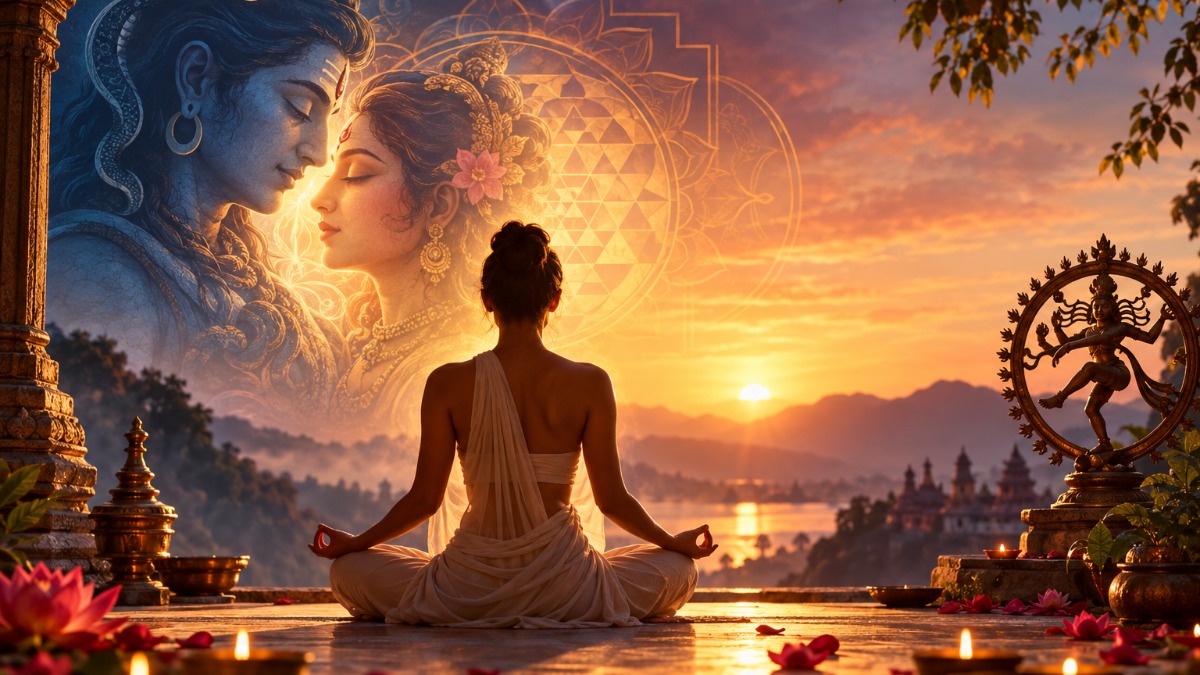
Tantra is one of the most fascinating and widely discussed spiritual traditions to emerge from the Indian subcontinent. Although the word is often associated with ideas of mysticism, meditation, rituals, or relationships, Tantra is much broader than any single practice or popular interpretation.
At its heart, Tantra represents a collection of philosophical and spiritual traditions that explore consciousness, awareness, the relationship between the individual and the universe, and different methods of spiritual transformation. Tantric traditions developed over many centuries and influenced several religious and philosophical schools, particularly within Hinduism and Buddhism.
This guide explores what Tantra means, its origins, major principles, common practices, and how people understand Tantric philosophy in the modern world.
- What Is Tantra?
The word Tantra comes from the Sanskrit tradition and is commonly associated with ideas of expansion, continuity, or a framework for spiritual practice. Rather than referring to one single teaching system, Tantra encompasses a wide range of texts, practices, rituals, and philosophical traditions.
Tantric traditions can be found in:
* Hindu Shaivism and Shaktism
* Vajrayana and other forms of Buddhist Tantra
* Various regional Indian spiritual traditions
* Some Himalayan spiritual traditions
Because Tantra developed across different regions and communities, there is no single definition that describes every Tantric tradition.
Some traditions emphasize meditation and visualization, while others focus on mantras, ritual practices, devotion, breath awareness, symbolism, or contemplation.
## The Historical Roots of Tantra
Tantric traditions developed gradually in South Asia, particularly during the first millennium CE. Many important Tantric texts appeared during the medieval period, although some of the concepts and practices have connections with earlier Indian philosophical and religious traditions.
Tantra became particularly influential within Shaiva, Shakta, and Buddhist traditions.
In Hindu Tantra, Shiva and Shakti are frequently important symbolic or theological concepts. Shiva may represent consciousness, while Shakti represents dynamic energy or creative power. Different schools interpret these concepts in different ways.
In Buddhist Tantra, particularly Vajrayana Buddhism, practitioners use meditation, visualization, mantra, symbolic imagery, and ritual as methods for transforming ordinary experience and developing insight.
Understanding this history is important because modern discussions sometimes reduce Tantra to a single topic, while traditional Tantra is considerably more complex.
Tantra and the Concept of Consciousness
One of the central themes found in many Tantric philosophies is the exploration of consciousness.
Instead of treating everyday life and spiritual life as completely separate, some Tantric traditions encourage practitioners to investigate ordinary experiences with greater awareness.
This can involve paying attention to:
* Thoughts
* Emotions
* Breath
* Sensations
* Awareness
* Relationships
* The surrounding environment
The objective varies depending on the tradition, but practices often encourage a deeper understanding of one's experience rather than simply avoiding everyday life.
The Role of Shakti in Tantra
In many Hindu Tantric traditions, Shakti represents divine feminine power, energy, or creative force.
Shakti is sometimes described as the dynamic aspect of reality. In Shakta traditions, the Divine Feminine may be worshipped as the supreme reality itself.
Different forms of the Goddess, including Durga, Kali, Tripura Sundari, and other manifestations, appear in different Tantric traditions.
These traditions contain rich systems of mythology, ritual, meditation, symbolism, and philosophy.
It is important to recognize that Shakti is not simply a synonym for physical energy. Within traditional contexts, the concept can have profound theological and philosophical meanings.
Common Practices Associated With Tantra
Tantric practices vary considerably between traditions. Some commonly encountered practices include the following.
1. Mantra
A **mantra** is a sacred sound, word, or phrase used in meditation or ritual.
Practitioners may repeat a mantra mentally or aloud as a way of focusing attention and cultivating a particular spiritual orientation.
Different traditions use different mantras, and traditional initiation may be important for certain practices.
2. Meditation
Meditation is an important component of many Tantric traditions.
Tantric meditation can involve:
* Breath awareness
* Visualization
* Concentration
* Deity visualization
* Contemplation
* Awareness of bodily sensations
* Observation of thoughts
The specific method depends heavily on the particular school.
3. Visualization
Some Tantric traditions use detailed visualization practices.
A practitioner may visualize a deity, symbolic diagram, sacred environment, or particular form of consciousness.
In Buddhist Tantra, visualization can be an important part of advanced meditation systems.
4. Yantra
A yantra is a geometric symbolic diagram used in certain Hindu traditions.
One of the best-known examples is the Sri Yantra, which consists of interlocking geometric forms and has important associations with Shakta and Sri Vidya traditions.
Yantras may be used as objects of meditation, ritual worship, or contemplation.
5. Ritual
Ritual plays an important role in many Tantric systems.
Depending on the tradition, rituals may involve:
* Mantras
* Offerings
* Sacred diagrams
* Mudras
* Visualization
* Deity worship
* Meditation
These practices are traditionally performed within particular cultural and spiritual contexts.
Tantra and Yoga
Tantra and Yoga have influenced each other throughout Indian spiritual history, although they are not identical systems.
Some Tantric traditions developed sophisticated approaches to the body, breath, meditation, subtle anatomy, and consciousness. Certain practices that are now associated with modern yoga have historical connections with Tantric traditions.
Concepts such as chakras, nadis, kundalini, and subtle energy appear in various Tantric and yogic texts.
However, modern interpretations sometimes combine ideas from different historical traditions. Therefore, it is useful to distinguish between classical sources and modern wellness interpretations.
Understanding Kundalini
Kundalini is an important concept in several Tantric and yogic traditions.
It is traditionally represented as a latent spiritual power associated with the base of the body. Certain traditions describe spiritual practice as awakening or directing this power through a subtle system involving chakras and channels.
Kundalini practices can be complex and are traditionally approached through disciplined practice and guidance.
Modern wellness culture sometimes presents kundalini as a simple technique for instant transformation. Traditional sources are generally more nuanced and place these practices within broader systems of meditation, ethics, discipline, and spiritual development.
Tantra and Relationships
One of the most common modern misunderstandings about Tantra is that it is primarily a system of sexual practices.
Some Tantric traditions do contain ritual practices involving sexuality, but these represent only a portion of the broader Tantric landscape.
Many Tantric systems focus primarily on meditation, mantra, visualization, ritual, devotion, philosophy, and transformation of consciousness.
Modern "Tantric" relationship practices may borrow concepts from traditional Tantra while adapting them to contemporary ideas about intimacy, communication, mindfulness, and connection.
These modern approaches should not automatically be treated as identical to historical Tantric traditions.
Tantra and Mindfulness
Many contemporary people are interested in Tantra because of its emphasis on awareness.
A simple mindfulness-oriented practice inspired by the broader idea of Tantric awareness might involve sitting quietly, observing the breath, noticing physical sensations, and becoming aware of thoughts without immediately reacting to them.
For example:
1. Sit comfortably in a quiet environment.
2. Relax your body.
3. Pay attention to your natural breathing.
4. Notice physical sensations.
5. Observe thoughts without trying to suppress them.
6. Return your attention to the present moment whenever the mind wanders.
7. Finish with a few moments of quiet reflection.
This type of practice is a general mindfulness exercise rather than a substitute for traditional Tantric initiation or instruction.
Benefits People Associate With Tantric Practices
People who practice meditation and related contemplative traditions may report benefits such as:
* Improved ability to focus
* Greater awareness of thoughts and emotions
* Increased relaxation
* A stronger sense of presence
* Better self-reflection
* Greater appreciation of spiritual or philosophical ideas
However, individual experiences vary, and spiritual practices should not be presented as guaranteed treatments for medical or psychological conditions.
Tantra is primarily a spiritual and philosophical field rather than a replacement for professional healthcare.
Tantra in the Modern World
Today, the word Tantra is used in several different contexts.
It may refer to:
* Traditional Hindu Tantric philosophy
* Buddhist Tantra
* Meditation practices
* Yoga and spiritual retreats
* Modern relationship workshops
* Wellness programs
* Books and courses about spirituality
Because the term has become popular internationally, it is important to ask what a particular teacher or organization means when using the word "Tantra."
A modern wellness course may use the term very differently from a traditional Shaiva or Buddhist Tantric lineage.
How to Explore Tantra Responsibly
Anyone interested in Tantra can begin by learning about its history and philosophical background before attempting advanced practices.
A thoughtful approach includes:
Learn From Reliable Sources
Read translations and academic studies of Tantric traditions rather than relying only on social media explanations.
Understand the Tradition
Identify whether a teaching comes from Hindu Tantra, Buddhist Tantra, modern yoga, or a contemporary wellness movement.
Respect Cultural Context
Tantric practices developed within specific cultural and religious environments. Understanding their context can prevent misconceptions.
Be Careful With Extraordinary Claims
Claims about instant spiritual powers, guaranteed healing, or supernatural results should be approached critically.
Seek Qualified Guidance
Some traditional Tantric practices are complex and may require instruction from an experienced teacher within a legitimate lineage.
Frequently Asked Questions About Tantra
is Tantra a religion?
Tantra itself is not one single religion. Tantric traditions exist within multiple religious and philosophical systems, particularly Hinduism and Buddhism.
Is Tantra only about sexuality?
No. Sexual practices are only one small part of the much broader range of Tantric traditions. Meditation, mantra, ritual, visualization, devotion, philosophy, and spiritual transformation are also important.
Is Tantra the same as yoga?
No. Tantra and yoga overlap historically and philosophically in some traditions, but they are not identical.
What is a mantra in Tantra?
A mantra is a sacred sound, word, or phrase used in meditation, ritual, or spiritual practice. Its meaning and purpose depend on the tradition.
What is Shakti?
In many Hindu Tantric traditions, Shakti represents divine feminine power, creative energy, or the dynamic aspect of reality.
Can beginners practice Tantra?
Beginners can study Tantric philosophy and practice basic mindfulness or meditation. More specialized traditional practices may require appropriate instruction and preparation.
Final Thoughts
Tantra is a diverse and historically significant collection of spiritual traditions that explores consciousness, reality, devotion, meditation, ritual, and transformation.
Its complexity is one of the reasons it continues to attract interest today. Rather than reducing Tantra to a single practice or modern interpretation, understanding its historical roots and philosophical diversity provides a more accurate picture.
For anyone exploring Tantra, the mo