Acupuncture
Quick answer
The word Acupuncture means meaning pricking, originates from the Latin words acus, meaning needle, and punctura, The practice has its roots in ancient Chinese medicine, where it developed as a traditional healing technique involving the insertion of fine needles at specific points on the body. Traditionally, acupuncture is associated with the concept of Qi (vital energy) and its flow.
Key takeaways
- Marma Points: Ayurveda describes vital anatomical points known as Marma, which have some conceptual similarities to acupuncture points.
- Prana: Both traditional systems discuss vital energy, although their underlying explanations differ.
- Nadi System: Yogic philosophy describes subtle energy channels called Nadis, which can be compared conceptually with Chinese meridians.
- Mind-Body Connection: Both traditions offer frameworks for understanding relationships between physical well-being and mental states.
- Ancient Origins: Acupuncture has a history spanning thousands of years, originating in traditional Chinese medicine.
What is Acupuncture?
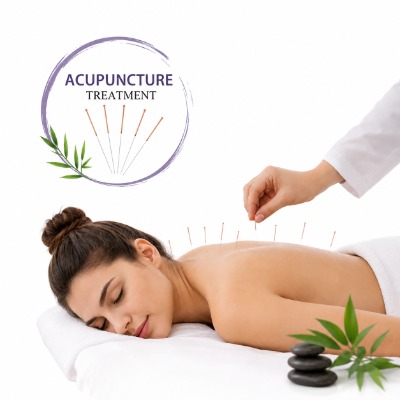
Acupuncture: Benefits, How It Works, Uses and Safety
Acupuncture is a traditional therapy that uses very fine, sterile needles at specific points on the body. Originating in traditional Chinese medicine, it is now used worldwide as a complementary approach to managing pain and certain symptoms. People commonly explore acupuncture for back and neck pain, knee osteoarthritis, migraines, tension headaches, muscle discomfort and nausea related to surgery or chemotherapy.
During a session, a qualified practitioner discusses your concerns, selects acupuncture points and gently inserts single-use needles. Depending on the treatment, the needles may be stimulated manually or with a mild electrical current. They usually remain in place while you rest. Many people describe the sensation as mild pressure, tingling or a brief pinch.
How acupuncture works is still being studied. Research suggests needling may influence the nervous system, affect local tissues and stimulate the body's pain-regulating processes. Traditional Chinese medicine explains treatment through qi and pathways called meridians; modern research investigates possible physiological effects. Evidence varies by condition. Acupuncture is not a cure or a replacement for necessary medical care. It may offer relief for some pain conditions, while evidence for other uses remains mixed or limited.
Safety matters. Choose a properly trained practitioner who uses sterile, single-use needles and follows hygiene procedures. Temporary effects can include soreness, minor bleeding, bruising, dizziness or tiredness. Serious complications are uncommon but can occur if acupuncture is performed incorrectly. Tell your practitioner about your medical history, medicines, pregnancy, bleeding risks and implanted electrical devices. Speak with a healthcare professional before treatment if you are unsure.
If you are considering acupuncture, ask what benefits are realistic for your condition, how many sessions may be appropriate, what treatment costs and how progress will be assessed. An informed decision combines credible evidence, qualified care and your individual health needs, rather than relying on broad promises.
Origin of the word
The term acupuncture is originated from the Latin words acus (needle) and punctura (pricking). Its roots lie in ancient Chinese medicine, where it developed as a traditional healing practice involving specific points on the body. Ayurveda has its name called marma chikitsa, addressed way before chinese did.